You’ve probably heard the term “Digital Twin” thrown around—sometimes like it’s tech magic, sometimes like it’s just another buzzword. I promise there’s nothing mystical or hollow here. It’s a really clever concept rooted in practical tech—and one you can actually implement without needing a PhD in quantum mechanics.
Imagine This Real-World Scenario
Say you manage a building, a factory, a wind farm, or even a small town. Now picture a virtual “mirror” of that place, living in the cloud, constantly updated with live sensor data—from doors opening to machines humming to temperatures shifting. This isn’t a static 3D model; it’s a dynamic, data-powered twin that knows what’s happening—even before issues become urgent.
Why Azure Digital Twins Feels Different
Some platforms let you draw or recreate environments—but Azure Digital Twins stands out by modeling relationships, not just objects. Think of it this way:
- A sensor lives in a room.
- That room belongs to a floor, part of a building.
- Those things all interact, push data, and rely on each other.
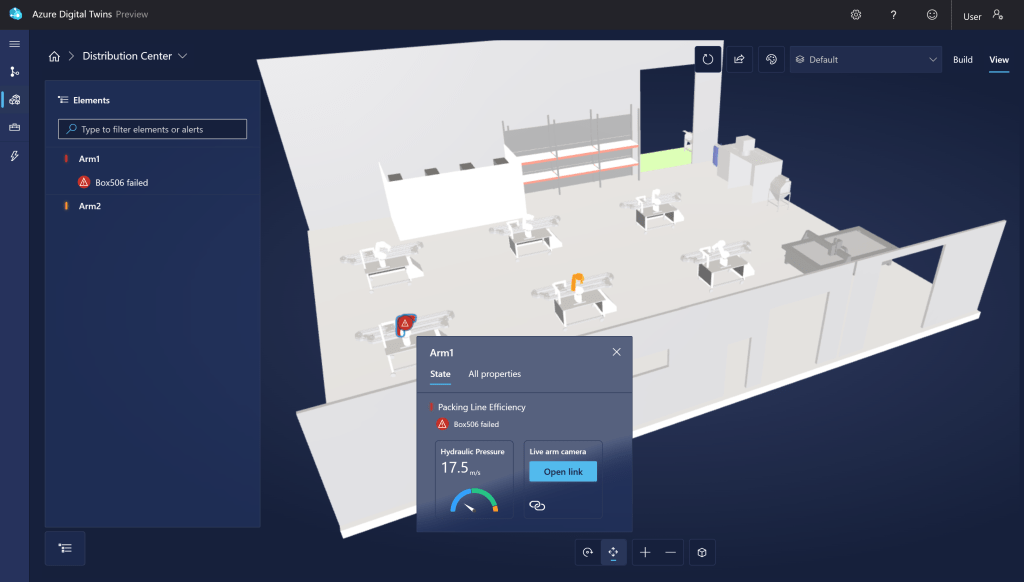
Azure lets you represent these nuances. Every component is linked, and every link can trigger insight or action, turning disconnected data into an intelligent understanding.
Why You Should Care (Seriously)
If you’re in industries like manufacturing, real estate, healthcare, energy, or logistics, this matters. Digital Twins help you:
- Spot issues before they hike up costs or downtime.
- Use assets more cleverly—like saving energy or preventing wear-and-tear.
- Make smart, real-time decisions based on reliable data.
And for folks in cybersecurity, it’s invaluable. Knowing exactly what’s connected, where data flows, and where potential vulnerabilities lie is a foundation of strong defense.
A Real-Life Picture: Wind Farm Use Case
Let’s go visual: imagine a wind farm. Each turbine sends telemetry—vibration, wind speed, power output—to its digital counterpart. You create that mirrored system in Azure Digital Twins. You monitor performance, flag anomalies, predict maintenance—way before blades fail or costly breakdowns happen.

Use the wind farm image above—it shows that digital overlay, sensors and all.
Not Just for Developers
You may think this tech is only for engineers or data scientists.
Actually, it’s not. Project managers, operations leaders, executives—anyone who needs clarity and real-time insight—will find value here.
As you read, you won’t feel like you’re decoding code. Instead, you’ll see how this tool can feel like a helpful teammate, one that speaks in insights, not jargon.
 short stories about cloud and security